


Super User
研究所課程
|
碩士班選修(M字頭) |
|||
|
課程名稱 |
教 師 |
學分 |
內 容 介 紹 |
|
動力氣候學 |
隋中興 |
3 |
本課程介紹大氣-海洋平均氣候與低頻震盪的特徵及動力過程,特別是熱帶多尺度波動。主要介紹ITCZ和年週期變化,熱帶氣旋與波動,季節內振盪、年際震盪(如厄爾尼諾 - 南方濤動,印度洋偶極子)、年代際變化。課程著重理論和概念模型的講授,以利學生理解觀測現象背後的物理機制。授課對象為具備大氣-海洋科學背景的大四及研究所學生。 |
|
大尺度雲與水汽過程 |
隋中興 |
2 |
Earth atmosphere is uniquely regulated by water cycle. It spans wide spatiotemporal spectrum and many layers of governing physics. Through interactions with energy cycle and circulation, the moisture and cloud of highly fluctuating nature exhibit surprisingly coherent large-scale structure. The corresponding convective-radiative processes relevant in climate oscillations of different scales are essential part of climate dynamic. |
|
高等數值天氣預報 |
楊明仁 |
3 |
This course will introduce the advanced applications of numerical weather prediction (NWP), mainly using the WRF model. The spectral and pseudospectral methods typically used in the global model and tropical cyclone studies will be discussed. Relaxation method used in solving the Laplace and Possion equations will be presented. Several methods for lateral boundaries used in regional models will be discussed. Class projects based on the material covered in this class will be assigned. Students taking this course are assumed to have the basic knowledge of finite-difference methods and numerical analysis. |
|
深對流特論 |
楊明仁 |
3 |
The physical and dynamical processes of deep cumulus clouds, which usually occur in mesoscale convective systems (MCSs), tropical cyclones and cloud clusters, and orographic precipitation will be introduced. Examples of important deep-convection phenomena near the Taiwan area, such as typhoons and MCSs within a Mei-Yu front, and their associated dynamics will be demonstrated and discussed. Lecture Outline |
|
大氣海洋流體力學特論 |
郭鴻基 |
1 |
1. Conservation laws and basic equations: |
|
高等大氣動力學 |
郭鴻基 |
3 |
因應地球科學跨領域研究,高等大氣動力學課程的安排,除了傳統大氣動力學外,更廣泛包括大氣海洋流體力學 (Atmospheric Oceanic Fluid Dynamics, AOFD);課程也將加入新元素:例如探討空氣、水等流體性質對於生命科學與生物的影響;探討非線性動力數學建模,包含多重平衡與穩定、回饋、遲滯、同步、尺度分析等課題。課程重視數學思考與模式計算。 |
|
氣候診斷 |
盧孟明 / 隋中興 |
2 |
Climate predictions on weekly, monthly, seasonal and annual timescales involves many processes that operate among the atmosphere, ocean and land surface. Monitoring and analyzing the weekly to interannual climate variability is an efficient way to enhance our understanding of global and regional climate variability and the relationship with high-impact weather events. |
|
氣候變異與預測 |
盧孟明 |
3 |
氣候變異概指由大氣、海洋、陸表共同組成的氣候系統相對於三十年或更長時期平均狀態的偏離程度,重要現象有以週、月、季、年為時間單位的短期氣候變化,以及與其相依相存的年代(十年)、多年代、世紀等長週期緩慢變化。氣候變異的發生機制決定於大氣、海洋、陸表交互作用的過程,了解這些過程以及各主要變異模態對全球和區域氣候的影響是發展氣候預測的科學基礎。 |
|
熱帶氣候動力專題(1)-MJO |
盧孟明 |
1 |
This is an advanced Tropical Climate Dynamics course intended for graduate students. It will introduce key observational phenomena in tropics, and discuss dynamic mechanisms behind the observed phenomena. We plan to cover four topics (MJO, Monsoon, ENSO, Climate mean state) in successive four semesters. For this semester the special topic is MJO and the course outline is as following: |
|
熱帶氣候動力專題(2)-BSISO |
盧孟明 |
1 |
This is an advanced Tropical Climate Dynamics course intended for graduate students. It will introduce key observational phenomena in tropics, and discuss dynamic mechanisms behind the observed phenomena. We already covered the topic of MJO in 2018 Spring Semester and plan to continue covering four topics (BSISO, Monsoon, ENSO, Climate mean state) in successive four semesters. |
|
全球大氣環流 |
黃彥婷 |
3 |
This course introduces the characteristics and the associated mechanisms of the large-scale circulation in the atmosphere. With the goal of bridging theories and observation using conceptual and numerical models with different level of complexity, we focus on the zonal mean circulation and briefly extend to the 3D circulation. Topics include: Hadley Circulation, midlatitude zonal mean circulation, the interactions between tropics and extratropics, and 3D atmospheric circulation. The model-projected trend (during global warming) of these circulations will be covered by paper discussions, which are designed to review and discuss the fundamental theories and simplified models. |
|
雲動力學 |
吳健銘 |
3 |
This course focuses on the general dynamics of cloud systems. Models of fog, stratocumulus, shallow cumulus, deep cumulus, and orographic convection will be presented. Classes will include presentations by the instructor and students. Material covered in class will be supplemented by homework assignments, which require coding abilities. Numerical simulations of idealized convective systems will be conduced using the vector vorticity equation cloud resolving model (VVM). The class will conclude with student presentations on a chosen project based on the results of the numerical simulations. |
|
地球系統模式—物理過程 |
吳健銘 |
3 |
本課程將介紹地球系統模式之對流過程並分單元授課。主要介紹如何在大尺度模式中表示積雲對流的過程,將使用高解析大渦模式(LES),雲解析模式(CRM), 之模擬結果簡化成概念模式。課程內容包含講演與模式實作與分析。將分為下述課題: 乾對流過程、淺對流過程、深對流過程、大渦模式與雲解析模式之介紹 |
|
陸地大氣交互作用 |
羅敏輝 |
3 |
Feedbacks between land and atmosphere play a central role in the interactive functioning of the Earth's climate. The goal of this course is to understand the essential aspects of roles of land processes in the climate systems. Topics covered include: (1) basics of terrestrial surface energy, water and carbon balances, (2) ecohydrology, and (3) land use and land cover changes. Students will read several critical papers in these topics, and will also learn to design, perform, and analyze numerical climate experiments/outputs with a land surface model and climate model for their final project. |
|
中尺度氣象學 |
游政谷 |
2 |
隨著近年來觀測儀器(技術)的進步以及高解析度數值模式的廣泛應用,使得我們慢慢了解到,較劇烈且具傷害力的天氣現象(如強烈降水與風暴)常侷限於中小尺度的範疇。可是由於發生這些劇烈天氣的原因相當多樣化且複雜,傳統的綜觀氣象理論基礎已無法滿足我們對於這些現象的了解。本課程的主要目的為介紹實際大氣中的中尺度天氣現象,並就各種不同的中尺度天氣系統,廣泛說明它們內部的結構與隱含的物理與動力過程。這其中,現階段的了解為授課重心,然而目前最新的研究成果也會在課堂上適時予以補充說明。課程內容將針對下列主題作有系統的闡釋:(1)中尺度的基本概念 、(2)中尺度天氣現象的觀測分析與預報、(3)大氣對流的觀念、(4)中緯度及熱帶中尺度對流系統、(5)劇烈風暴、(6)鋒面的中尺度特徵與其伴隨的雨帶。 |
|
地物流力 |
陳世楠 / 林和 |
3 |
This is an upper-level undergraduate and graduate-level course on geophysical waves and instability. We will focus on slowly evolving flow that is nearly in geostrophic balance and thus satisfies the “Quasi-geostrophic (QG) approximation”. The primary subjects are: 1. QG The course format is a combination of lectures and student project, with student-led presentation/ discussion. |
|
雲與環境專題討論 |
陳維婷 |
3 |
本課程主旨在討論研究「台灣極端空氣汙染事件在不同天氣型態下之特性」,經由對觀測與模擬資料之分析瞭解當前東亞綜觀天氣型態下台灣PM2.5與環境條件、邊界層、雲物理、輻射收支、大尺度環流之關係,討論其中牽涉之物理過程,並推估未來氣候變遷情境下台灣PM2.5高汙染事件的可能改變。 |
|
氣候變遷科學 |
陳維婷 |
3 |
• This course provides a solid foundation in climate change science, including lectures on the physical basis of anthropogenic climate change, natural climate variations, and global climate models. Prerequisite on student levels: |
|
資料同化 |
連國淵 |
3 |
Data assimilation is an important field in numerical modeling and analysis in geoscience. It allows observation information to be objectively and optimally ingested into numerical models using statistical theories, providing analysis data which are essential for initializing model prediction and for climate studies. |
大學部選修
|
大學部選修 |
|||
|
課程名稱 |
教 師 |
學分 |
內 容 介 紹 |
|
動力氣候學 |
隋中興 |
3 |
本課程介紹大氣-海洋平均氣候與低頻震盪的特徵及動力過程,特別是熱帶多尺度波動。主要介紹ITCZ和年週期變化,熱帶氣旋與波動,季節內振盪、年際震盪(如厄爾尼諾 - 南方濤動,印度洋偶極子)、年代際變化。課程著重理論和概念模型的講授,以利學生理解觀測現象背後的物理機制。授課對象為具備大氣-海洋科學背景的大四及研究所學生。 |
|
大氣遙測 |
林依依 |
3 |
本課程將包含四大部分,分別為1.大氣輻射原理:介紹大氣的吸收、散射及發射等特性,其黑體輻射和大氣光譜之特性。2.大氣遙測原理:包括輻射傳送基本原理及衛星遙測的基本原理。3.衛星及其觀測頻道特性之介紹:氣象衛星與衛星遙測進展及技術演進之簡介,並探討衛星遙測頻道之特性、應用範圍、能力與限制,以及各種輻射計之簡介。4.大氣參數之反演及應用:衛星觀測資料在大氣遙測之應用,包括海面溫度、大氣垂直溫濕剖麵、氣膠、雲、降雨及海器參數等等之遙測。 |
|
氣候診斷 |
盧孟明 / 隋中興 |
2 |
Climate predictions on weekly, monthly, seasonal and annual timescales involves many processes that operate among the atmosphere, ocean and land surface. Monitoring and analyzing the weekly to interannual climate variability is an efficient way to enhance our understanding of global and regional climate variability and the relationship with high-impact weather events. |
|
大氣觀測實作 |
林博雄 |
2 |
為了落實教學實作精神,本課程利用本校生農學院梅峰山地農場為教學觀測場所,進行一週密集教學。授課內容包括:氣候變遷議題對生態環境的衝擊,人為開發環境和天然環境的微氣象差異,介紹各國對於森林環境監測的方法和工具,說明梅峰山地農場生物多樣性特色和局地氣候背景計畫。戶外觀測實作內容計有:地形雲與霧的觀察、雲霧酸鹼值測定、人工溫室與天然空曠地微氣象調查與差異分析、氣膠採樣分析 |
|
大尺度雲與水汽過程 |
隋中興 |
2 |
Earth atmosphere is uniquely regulated by water cycle. It spans wide spatiotemporal spectrum and many layers of governing physics. Through interactions with energy cycle and circulation, the moisture and cloud of highly fluctuating nature exhibit surprisingly coherent large-scale structure. The corresponding convective-radiative processes relevant in climate oscillations of different scales are essential part of climate dynamic. |
|
生物氣象學 |
林博雄 |
3 |
本課程探討大氣圈和生物圈的互動,針對動物、植物和人類等三大對象,探討生物氣象之理論與實務,最後討論氣候變遷對生態的衝擊議題。 |
|
全球大氣環流 |
黃彥婷 |
3 |
This course introduces the characteristics and the associated mechanisms of the large-scale circulation in the atmosphere. With the goal of bridging theories and observation using conceptual and numerical models with different level of complexity, we focus on the zonal mean circulation and briefly extend to the 3D circulation. Topics include: Hadley Circulation, midlatitude zonal mean circulation, the interactions between tropics and extratropics, and 3D atmospheric circulation. The model-projected trend (during global warming) of these circulations will be covered by paper discussions, which are designed to review and discuss the fundamental theories and simplified models. |
|
空氣汙染實作 |
洪惠敏 |
2 |
此課程提供學生基本空氣汙染知識及量測方法,並動手組裝小型量測儀器(Raspberry Pi single-board computer +高靈敏感測器),在期末將根據所此課程的知識及所組裝儀器進行校正及期末主題研究,根據監控化學物質時間及區域性分布探討汙染物的成因與影響。 |
|
生地化循環與氣候 |
洪惠敏 |
3 |
This course will discuss the interaction between biosphere, chemistry and climate from presentations with some hands-on-experiments. The contents of this course include: |
|
天氣診斷專題一 |
李清勝 / 楊明仁 |
2 |
本專題將利用中央氣象局所提供及其他可獲得之資料,對大氣內實際發生的現象,利用相關課程所學的學理進行診斷分析與詮釋;討論對象將包括不同尺度(行星尺度、綜觀尺度、中尺度、對流尺度)環流系統與天氣現象之結構與演變,並將特別注重區域性天氣現象有關之討論及詮釋。 |
|
高等數值天氣預報 |
楊明仁 |
3 |
This course will introduce the advanced applications of numerical weather prediction (NWP), mainly using the WRF model. The spectral and pseudospectral methods typically used in the global model and tropical cyclone studies will be discussed. Relaxation method used in solving the Laplace and Possion equations will be presented. Several methods for lateral boundaries used in regional models will be discussed. Class projects based on the material covered in this class will be assigned. Students taking this course are assumed to have the basic knowledge of finite-difference methods and numerical analysis. |
|
深對流特論 |
楊明仁 |
3 |
The physical and dynamical processes of deep cumulus clouds, which usually occur in mesoscale convective systems (MCSs), tropical cyclones and cloud clusters, and orographic precipitation will be introduced. Examples of important deep-convection phenomena near the Taiwan area, such as typhoons and MCSs within a Mei-Yu front, and their associated dynamics will be demonstrated and discussed. Lecture Outline |
|
大氣海洋流體力學特論 |
郭鴻基 |
1 |
1. Conservation laws and basic equations: |
|
高等大氣動力學 |
郭鴻基 |
3 |
因應地球科學跨領域研究,高等大氣動力學課程的安排,除了傳統大氣動力學外,更廣泛包括大氣海洋流體力學 (Atmospheric Oceanic Fluid Dynamics, AOFD);課程也將加入新元素:例如探討空氣、水等流體性質對於生命科學與生物的影響;探討非線性動力數學建模,包含多重平衡與穩定、回饋、遲滯、同步、尺度分析等課題。課程重視數學思考與模式計算。 |
|
氣候變異與預測 |
盧孟明 |
3 |
氣候變異概指由大氣、海洋、陸表共同組成的氣候系統相對於三十年或更長時期平均狀態的偏離程度,重要現象有以週、月、季、年為時間單位的短期氣候變化,以及與其相依相存的年代(十年)、多年代、世紀等長週期緩慢變化。氣候變異的發生機制決定於大氣、海洋、陸表交互作用的過程,了解這些過程以及各主要變異模態對全球和區域氣候的影響是發展氣候預測的科學基礎。 |
|
熱帶氣候動力專題(1)-MJO |
盧孟明 |
1 |
This is an advanced Tropical Climate Dynamics course intended for graduate students. It will introduce key observational phenomena in tropics, and discuss dynamic mechanisms behind the observed phenomena. We plan to cover four topics (MJO, Monsoon, ENSO, Climate mean state) in successive four semesters. For this semester the special topic is MJO and the course outline is as following: |
|
熱帶氣候動力專題(2)-BSISO |
盧孟明 |
1 |
This is an advanced Tropical Climate Dynamics course intended for graduate students. It will introduce key observational phenomena in tropics, and discuss dynamic mechanisms behind the observed phenomena. We already covered the topic of MJO in 2018 Spring Semester and plan to continue covering four topics (BSISO, Monsoon, ENSO, Climate mean state) in successive four semesters. |
|
R程式語言及其在大氣模式資料分析的應用 |
盧孟明 |
1 |
This course is to provide students a basic understanding of R programing. We will first introduce software installation and configuration for a statistical programming environment and generic programming concepts. Then we will cover practical issues in statistical analysis for weather forecast model data. |
|
大氣觀測實作(二) |
林博雄 |
2 |
本課程延伸「大氣測計學」必修課程,透過本系教學觀測設備(小型風力發電機太陽能光電電池等套件),在觀測坪戶外組裝並分析即時風場與太陽能輻射觀測資料,來實際診斷氣象與綠色能源的關聯與累積實作經驗;此外, 也配合本系教師所接受的政府委託計畫之相關戶外氣象觀測活動,進行密集式觀測實作,讓修課學生體驗氣象資料蒐集過程和可能面對的戶外環境挑戰,以及原始資料後端處理程序。 |
|
雲動力學 |
吳健銘 |
3 |
This course focuses on the general dynamics of cloud systems. Models of fog, stratocumulus, shallow cumulus, deep cumulus, and orographic convection will be presented. Classes will include presentations by the instructor and students. Material covered in class will be supplemented by homework assignments, which require coding abilities. Numerical simulations of idealized convective systems will be conduced using the vector vorticity equation cloud resolving model (VVM). The class will conclude with student presentations on a chosen project based on the results of the numerical simulations. |
|
地球系統模式—物理過程 |
吳健銘 |
3 |
本課程將介紹地球系統模式之對流過程並分單元授課。主要介紹如何在大尺度模式中表示積雲對流的過程,將使用高解析大渦模式(LES),雲解析模式(CRM), 之模擬結果簡化成概念模式。課程內容包含講演與模式實作與分析。將分為下述課題: 乾對流過程、淺對流過程、深對流過程、大渦模式與雲解析模式之介紹 |
|
陸地大氣交互作用 |
羅敏輝 |
3 |
Feedbacks between land and atmosphere play a central role in the interactive functioning of the Earth's climate. The goal of this course is to understand the essential aspects of roles of land processes in the climate systems. Topics covered include: (1) basics of terrestrial surface energy, water and carbon balances, (2) ecohydrology, and (3) land use and land cover changes. Students will read several critical papers in these topics, and will also learn to design, perform, and analyze numerical climate experiments/outputs with a land surface model and climate model for their final project. |
|
中尺度氣象學 |
游政谷 |
2 |
隨著近年來觀測儀器(技術)的進步以及高解析度數值模式的廣泛應用,使得我們慢慢了解到,較劇烈且具傷害力的天氣現象(如強烈降水與風暴)常侷限於中小尺度的範疇。可是由於發生這些劇烈天氣的原因相當多樣化且複雜,傳統的綜觀氣象理論基礎已無法滿足我們對於這些現象的了解。本課程的主要目的為介紹實際大氣中的中尺度天氣現象,並就各種不同的中尺度天氣系統,廣泛說明它們內部的結構與隱含的物理與動力過程。這其中,現階段的了解為授課重心,然而目前最新的研究成果也會在課堂上適時予以補充說明。課程內容將針對下列主題作有系統的闡釋:(1)中尺度的基本概念 、(2)中尺度天氣現象的觀測分析與預報、(3)大氣對流的觀念、(4)中緯度及熱帶中尺度對流系統、(5)劇烈風暴、(6)鋒面的中尺度特徵與其伴隨的雨帶。 |
|
地物流力 |
陳世楠 / 林和 |
3 |
This is an upper-level undergraduate and graduate-level course on geophysical waves and instability. We will focus on slowly evolving flow that is nearly in geostrophic balance and thus satisfies the “Quasi-geostrophic (QG) approximation”. The primary subjects are: 1. QG The course format is a combination of lectures and student project, with student-led presentation/ discussion. |
|
雲與環境專題討論 |
陳維婷 |
3 |
本課程主旨在研究「冬季風環境下近海對流」之特性及其在天氣與氣候中之重要性。 |
|
氣候變遷科學 |
陳維婷 |
3 |
• This course provides a solid foundation in climate change science, including lectures on the physical basis of anthropogenic climate change, natural climate variations, and global climate models. Prerequisite on student levels: |
|
大氣科學研究導論 |
各教師 |
2 |
介紹大氣科學的研究內容、方法、成果及展望。課程依本系之主要學程/領域,即天氣動力領域、氣候系統領域、大氣環境領域、大氣資訊領域等四大領域相關研究進行介紹,以使學生對於大氣科學整體研究之現況及展望,有宏觀及較深入之了解,並作為學生未來選擇大氣科學研究之參考。本課程定位為大四所開”獨立研究”之先修課程,由本系各不同專長之教授合開,並將透過學生與相關授課老師之互動,提昇學生對於大氣科學各面相主流研究與應用之認知與興趣。 |
|
獨立研究 |
各教師 |
2 |
由各指導老師應學生要求,針對學生在大氣科學某方面之興趣,指導學生從事研究、撰寫讀書報告。 |
|
學士論文 |
各教師 |
2 |
由各指導老師應學生要求,針對學生在大氣科學某方面之興趣,指導學生從事研究撰寫正式論文。 |
大氣系博士班入學方式
(一)、本系碩士班研究生逕行修讀
1. 申請條件:
(1) 碩士班修業1年以上,學業成績總平均排名在該系人數前三分之一以內。
(2) 經肄業系所或相關系所教授二人以上推薦具研究潛力者。
(3) 須繳交研究成果或研究計畫書。2. 申請手續:
申請逕行修讀博士學位之研究生,第一學期應於七月二十日至七月三十一日,第二學期應於一月二十日至三十一日,至教務處研教組索取申請書,並經承辦人員查註名次後,併同碩士班修業一年以上之歷年成績表一份、教授推薦書二封以上,以及研究成果或研究計畫書一份至助教室提出申請,以便另安排面試審查。
(二)、考試入學
1. 報考資格:(依教育部母法規定)
(1) 獲有大氣科學、大氣物理、氣象系所之碩士學位者。
(2) 獲有其他相關系所之碩士學位、經系主任核可者。2. 報名時間:每年4月學校初開始發售簡章,詳細報名日期請見當年度簡章說明。
3. 考試項目:
(1) 書面審查:就所繳資料加以審查,占總成績50﹪。
(2) 口試:書面審查成績達70分以上者始得參加,占總成績50﹪。
(三)、本系大學部逕行修讀
1. 申請條件:
(1) 修業期間學業成績總平均排名在該系、所、學位學程全班(組)人數前三分之一以內。
(2) 經肄業系所或相關系所教授二人以上推薦具研究潛力者。
(3) 須繳交研究成果或研究計畫書,修過學士論文者可優先考慮。
(4) 須於當學年度取得學士學位,並於次學年度就讀博士班,不得保留入學資格。2. 申請手續:
申請逕行修讀博士學位之學生,須檢具下列各件資料,於本校規定之申請期間內,向本所提出申請。
(1) 逕行修讀博士學位申請書一份。
(2) 學士班歷年成績表一份。
(3) 教授二人以上推薦書。
(4) 研究計畫書一份。
大氣系碩士班入學方式
(一)、甄試入學
1. 報考資格:
(1) 本系畢業(含應屆)生可直接報考,其他科系限制請參考招生簡章。2. 報名時間:每年9月下旬開始發售簡章,詳細報名日期請見當年度簡章說明。
3. 甄試項目:
(1) 書面審查:就所繳資料加以審查,占總成績50﹪。
(2) 口試:書面審查成績達70分且排名前20名參加,占總成績50﹪。
(二)、考試入學
1. 報考資格:本系畢業(含應屆)生可直接報考,其他科系限制請參考招生簡章。
2. 報名時間:每年11月下旬開始發售簡章,詳細報名日期請見當年度簡章說明。
3. 考試項目:113學年起採碩士班入學考試新制(2024年2月適用),說明如下:
(1)甲組考試項目由『筆試100%』改為『審查30%+口試70%』
乙組考試項目由『筆試70%+口試30%』改為『審查30%+口試70%』
(2)新制簡章初稿(簡章格式依2023年11月台大研教組公布為準)
考試項目
甲組(招生名額:7)
乙組(招生名額:1)
審查項目
(佔分30%)
一、學位證書或學生證
二、歷年成績單
三、名次證明書
四、1000字內與大氣領域相關之大學修課歷程報告
五、1000字內就讀計畫(1.大氣領域有興趣的方向 2.研究所就學及生涯規畫)
六、大氣領域相關之實習經歷或課外活動及其他有利審查資料(如專題研究報告、參賽得獎資料等,此項非必要)
一、學位證書或學生證
二、歷年成績單
三、名次證明書
四、1000字內與大氣或理工領域相關之大學修課歷程報告
五、1000字內就讀計畫(1.大氣領域有興趣的方向 2.研究所就學及生涯規畫)
六、大氣或理工領域相關之實習經歷或課外活動及其他有利審查資料(如專題研究報告、參賽得獎資料等,此項非必要)
口試
(佔分70%)
參加資格:審查成績達70分(含)且總分排名前14名
時間地點依簡章規定
參加資格:審查成績達70分(含)且總分排名前2名
時間地點依簡章規定
相關規定
口試成績未達60分者,不予錄取
口試成績未達60分者,不予錄取
(3)如有任何相關考試變動疑問,請聯繫林明昌助教(02-33663923,Email住址會使用灌水程式保護機制。你需要啟動Javascript才能觀看它 )
大氣系大學部入學方式
一、個人申請入學
個人申請入學為 4~5 月間辦理,考生須參加大學入學考試中心學科能力測驗,本系113學年度國文、英文、數學A、自然採均標。以國文、英文、數學A和自然科總和篩選招生人數 6 倍率+數學A及自然總和3倍率之考生參與第二階段指定項目甄試。第二階段再經由書面資料審查(25%)及筆試(25%),與學科能力測驗成績(50%)計算後,錄取新生入學。
115學年個人申請名額:20名,115台大大氣個人申請入學簡章:連結
二、繁星推薦
所屬學群 : 第二類學群。
檢定科目及標準 :數學A頂標,自然科頂標,英文科前標。
分發比序項目 :1.在校學業成績全校排名百分比、2.學測國文、英文、數學A、自然之級分總和、3.學測自然級分、4.學測數學A級分、5.學測英文級分、6.地球科學學業總平均成績全校排名百分比、7.物理學業總平均成績全校排名百分比。115學年繁星推薦名額: 3名
三、分發入學
學生參加七月舉辦之大學入學考試中心分科測驗考試,應考數學甲、物理、化學等三科目各加重25%,再加計學測之英文及國文兩科之總成績錄取新生。
115學年分發入學名額:11名
四、特殊人才甄選入學(火星人)
每年11月辦理,台大簡章及報名網址:連結
115學年特殊人才甄選入學名額:1名
五、以奧林匹亞及國際科展成績優異資格入學
比照教育部『參加國際數理學科奧林匹亞競賽及國際科學展覽成績優良學生升學優待辦法』辦理(法規連結)
六、轉學生
台大統一辦理,每年七月份進行考試(轉學考網址)
學生出路
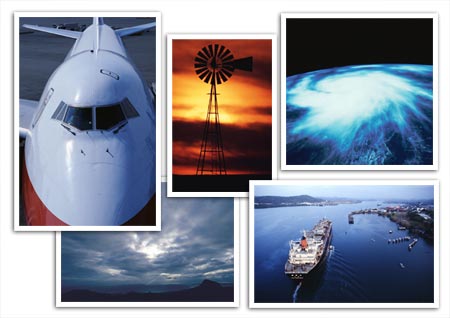 本系提供相當開放的學習領域,並鼓勵學生多方面發展,以期培育兼具多重才能的全方位學生,因此學生的就業方向相當廣泛,如:
氣象專業研究領域:國內外氣象、地球系統科學等知名研究機構
氣象專業服務領域:中央氣象局,民航局氣象中心,軍方氣象單位,電視台幕前氣象 播報與幕後製作。
(氣象)資訊整合服務:電腦資訊公司。
環境相關領域:環保署、民營環境顧問公司。
地科教育:中學地球科學教師。
其他:台電等公營機構、航空公司、各民營機構等。
目標特色
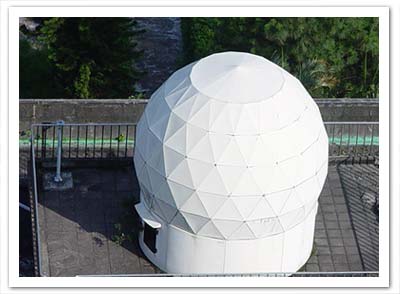 大氣科學是一門兼容理論與應用的科學,課程內容首重於物理、數學及資訊科學的基礎 訓練,與它們在大氣中的應用。本系課程內容依學生的興趣及未來發展可分為天氣動力、氣候系統、大氣環境、大氣觀測及地球科學教育等五大領域。充分的課程彈性,使得學生可根據自己的興趣多方學習探索,除可修習上述五大領域之外,亦可修習教育學程、地球科學學程,或選修輔系、雙學位等。 本系最低畢業學分為128學分,其中部定共同必修科目18學分,通識課程12學分, 本系自訂必修科目71學分,本系自訂必選科目10學分;之外,尚有至少17學分由同學自行選擇,提供相當開放的學習發展空間,以期培育兼具多重才能的學生。
本系是培育大氣科學專業人才的搖籃,同時著重地球科學、電腦資訊等相關領域的發展,為國內大氣研究機構中的佼佼者。本系之畢業生除繼續進修外,很多到中央氣象局、民航局等氣象單位服務,並貢獻所長,成為其工作崗位之主力。亦有許多畢業生在不同類型之顧問公司從事相關的氣象、資訊或環保工作,確實做到學以致用的成效。為因應目前科技發展中各學門整合的趨勢,本系的教育遠景在於朝向培育具有宏觀視野的人才。我們期盼本系所培育之學生,除具備大氣科學專業知識外,並能對整個環境及地球系統有深刻的瞭解,為人類永續發展及未知世界開創新局面。
系所簡介
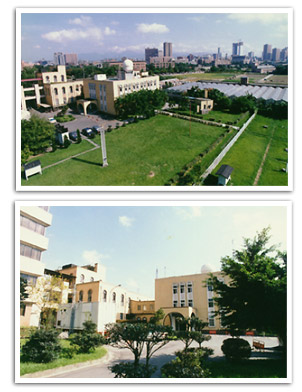 大氣科學系之創始,可回溯至民國三十五年十二月於農藝系設置之「氣象研究室」。爾後,於民國四十四年八月,理學院成立地理學系,分設地理組與氣象組,後者即為本系之前身。在前系主任亢玉瑾教授的努力下,氣象組於民國六十一年七月獨立成為大氣科學系。
創系對本系日後的影響有二:第一,每年學生人數頓時從個位數增至30~40名,為國內大氣科學的日後發展注入一股生力軍;第二,前後數年之間,多位在美國接受完整的現代大氣科學訓練的學者陸續返國加入教授陣容。
大氣科學系的研究及教學方向,也從過去的傳統氣象學,拓廣為以天氣學、大氣動力學、數值天氣預報及空氣污染為重點;影響所及,不但大幅拓展了大氣科學教育的視野,也間接刺激了國內大氣科學研究的現代化。
創系之後的十年屬於緩慢成長的階段,教師陣容並無太明顯變化;直到民國七十一年大氣科學研究所成立之後,教師名額增加,本系再度進入快速擴張的階段。民國七十年代,台灣經濟快速起飛,教學及研究環境均有長足的改善,中央氣象局業務也邁向現代化、電腦化的階段。這些因素吸引了將近十位學者返國加入教師陣容。同時,本系教師在國內大氣科學界的影響也日漸明顯;例如,蔡清彥等數位教授全力協助中央氣象局發展數值天氣預報系統,參與國內氣象預報業務現代化的工作。民國七十六年,針對產生豪雨的中尺度現象而設計的台灣地區中尺度氣象實驗計劃(TAMEX),由本系陳泰然教授主持,在全系教師和氣象界的全力投入之下 順利完成。
民國七十六年七月研究所博士班成立,本系終於得以提供由大學部到博士班的完整大氣科學教育訓練。此外,由於大氣環境領域之研究日漸受到重視,本系於民國七十八年將研究所碩士班分設為甲、乙二組,其中甲組主修大氣科學,乙組主修大氣環境;增設乙組除了可加強本系對於大氣環境領域之研究外,亦可提供非本科系大學畢業生另一繼續進修之管道,於九十一年再將碩士班之分組改為大氣科學系畢業者報考之甲組,及非大氣科學系畢業者報考之乙組。近年來,本系的教學與研究在軟、硬體方面皆有長足的進展。目前,本系專任教師有十七名(其中一位為合聘),博士班學生有二十五名,碩士班學生有四十四名,大學部學生約一百四十五名,是國內培養大氣科學人材的重鎮。
| 年 代 | 重 要 記 事 |
| 民國35年 | 農藝系設置「氣象研究室」 |
| 民國44年 | 理學院成立地理學系,分設地理組與氣象組 |
| 民國61年 | 獨立成為大氣科學系 |
| 民國71年 | 成立研究所碩士班 |
| 民國76年 | 成立研究所博士班 |
| 民國78年 | 碩士班分設甲組(大氣科學組)及乙組(大氣環境組)。 |
| 民國91年 | 碩士班將原有分組改為甲組(大氣科學系報考)及乙組(非大氣科學系報考)。 |
歷任系主任
| 一 | 二 | 三 | 四 | 五 | 六 | 七 |
| 亢玉瑾 | 周根泉 | 蔡清彥 | 陳泰然 | 林 和 | 柯文雄 | 李清勝 |
| 61~65 | 65~70 | 70~77 | 77~80 | 80~82 | 82~85 | 85~88 |
| 八 | 九 | 十 | 十一 | 十二 | 十三 | 十四 |
| 周仲島 | 許晃雄 | 陳正平 | 吳俊傑 | 林依依 | 林博雄 | 游政谷 |
| 88~91 | 91~94 | 94~97 | 97~103 | 103~106 | 106~110 | 110~ |
歷年系慶出版書籍
